

Supported by



About
Late detection is the key problem of immune-related diseases.
-
Cancer
Most cancers are detected in late stages.
But tumours elicit an immune response before cancer cells themselves are detectable in blood.
-
Immune-mediated inflammatory diseases
With no prognosis available, treatment regimes equal trial and error.
But immune signatures can predict the severity of immune-related diseases and point to the right therapy at the time of diagnosis.
Using the immune system to detect diseases earlier.
-

Beyond biomarkers.
Deciphering subtle, complex and individual immune interactions.
-

Ultra-sensitive.
Our AI technology can detect immune signatures missed by human analysis.
-

Scalable.
Our technology is blood-based and applicable to standard clinical infrastructure.
News
-
May 2026
Honoured that we got selected for the next phase of the Cancer Tech Accelerator!
-
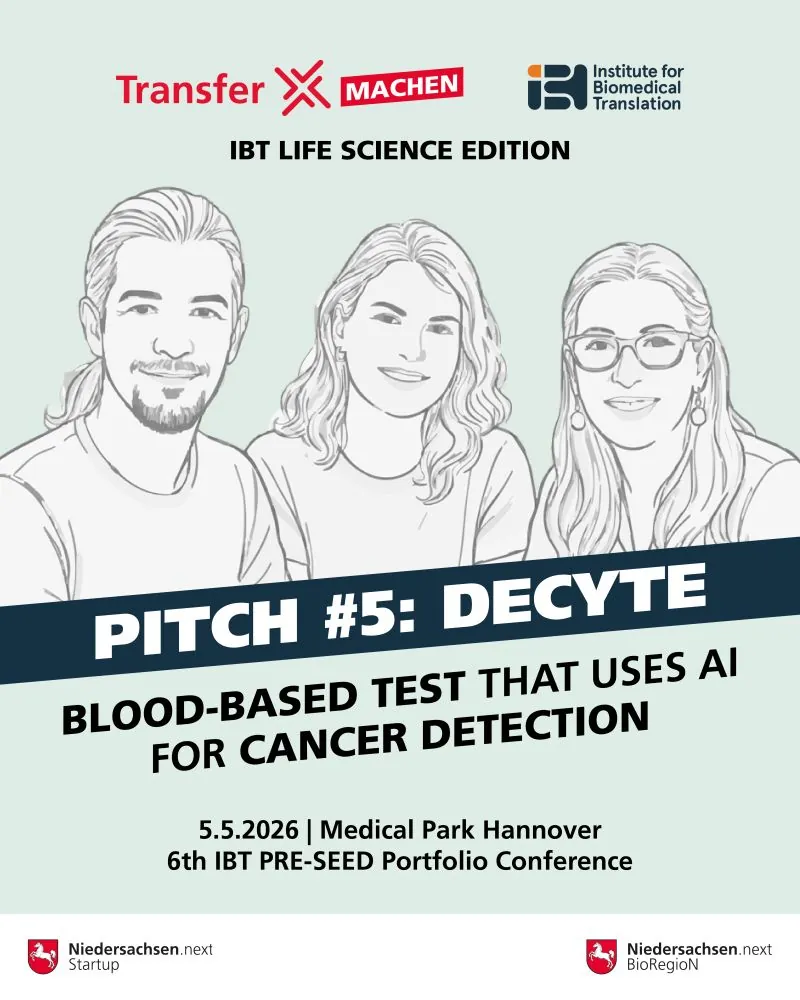
April 2026
Delighted that decyte has been selected as one of seven finalists for IBT Lower Saxony.
-
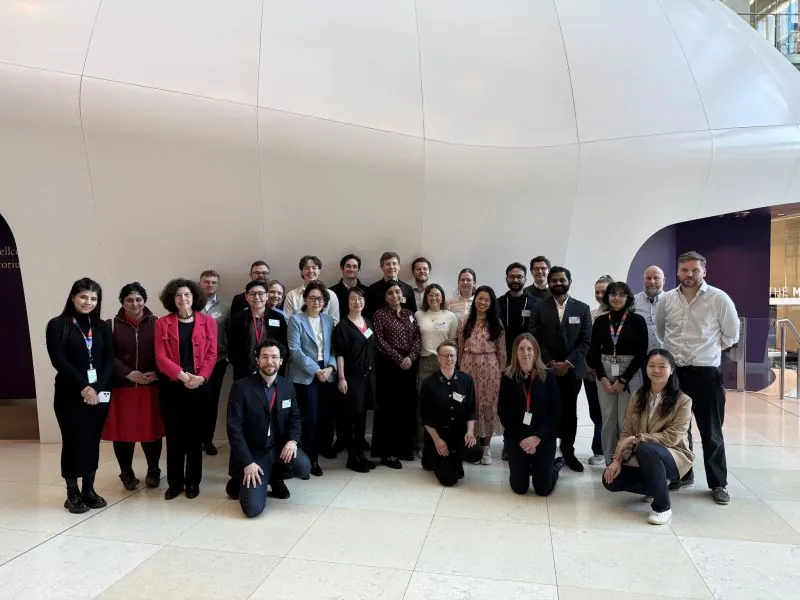
March 2026
We won a prize for the most investor-ready startup at PULSE 2026!
-
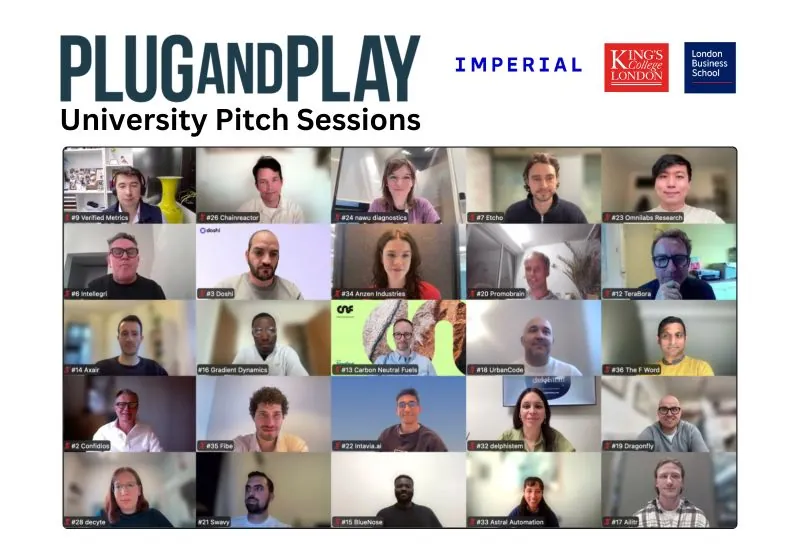
March 2026
Decyte got invited to pitch to a selection of over hundred investors during the Plug & Play University Pitch Sessions.
-
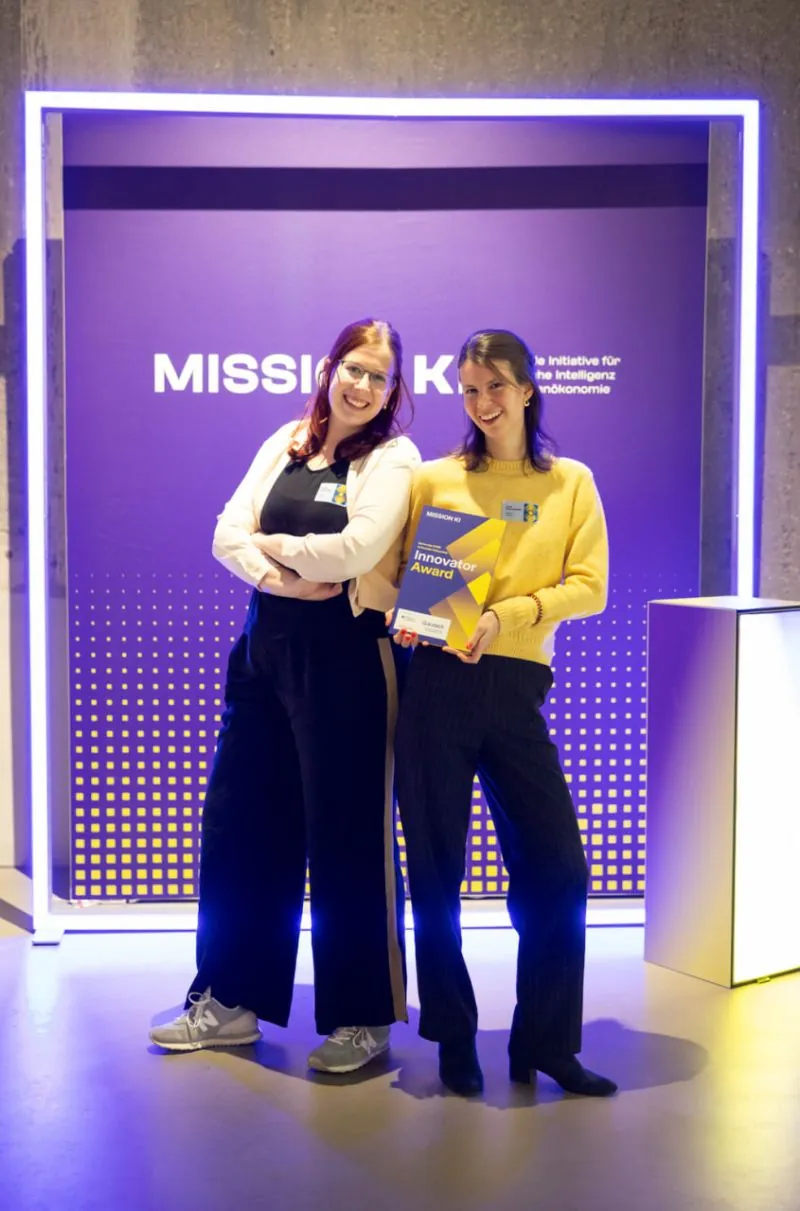
October 2025
We are thrilled to have won the Innovator Award of the Federal Ministry for Digitalisation and Mission KI!
Team
-
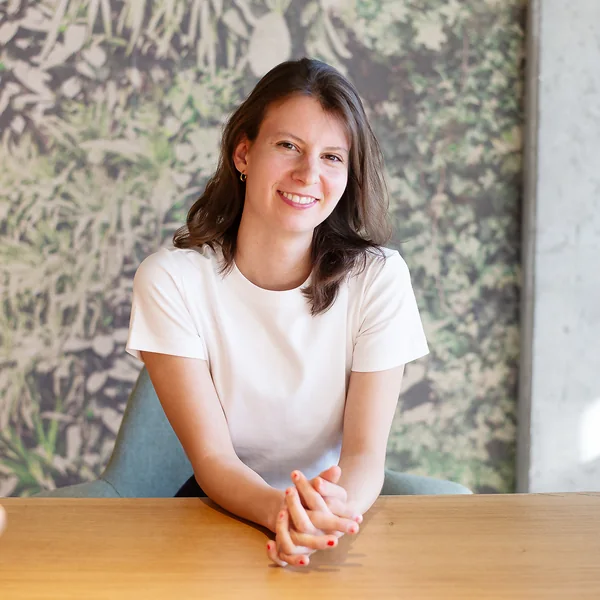

Julia Stachowiak
Co-founder & CEO
Julia is a medical doctor and chemist.
She gained in-depth business development expertise during the AI Founder Fellowship (AIFF) and has strong clinical and research experience in immuno-oncology and gastroenterology. She established key clinical partnerships for decyte and leads both clinical validation and go-to-market strategy.
-
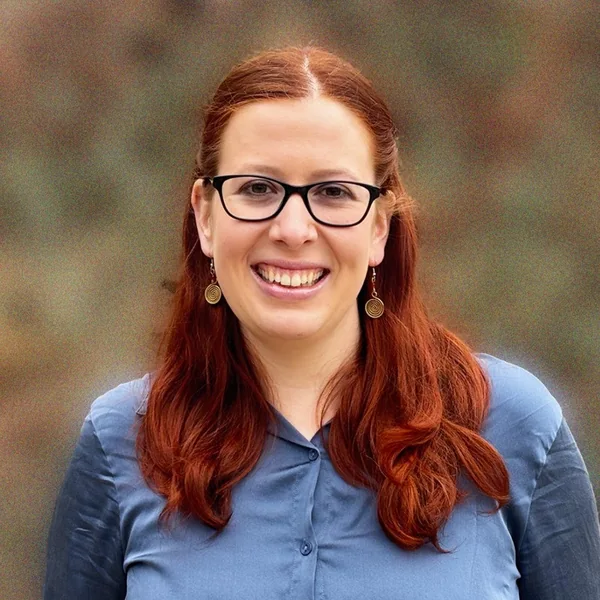
Hanna Roetschke, PhD
Co-founder & CTO
Operating at the intersection of biomedicine and data science, Hanna has established a track record in cutting-edge immuno-oncology research, and created a platform for interdisciplinary scientists. Building on that experience, she is now developing a fundamentally new approach for disease detection at decyte.
Hanna earned her PhD from King’s College London and the Francis Crick Institute as one of the youngest graduates in the university’s history.
Contact
We'd love to hear from you!
Get in touch via email or LinkedIn if you want to know more about what we are building.
 info@decyte.com